Cameroon’s Colossus Unveiling the Nation's Largest Wood Plant
Cameroon’s Colossus Unveiling the Nation's Largest Wood Plant
Blog Article
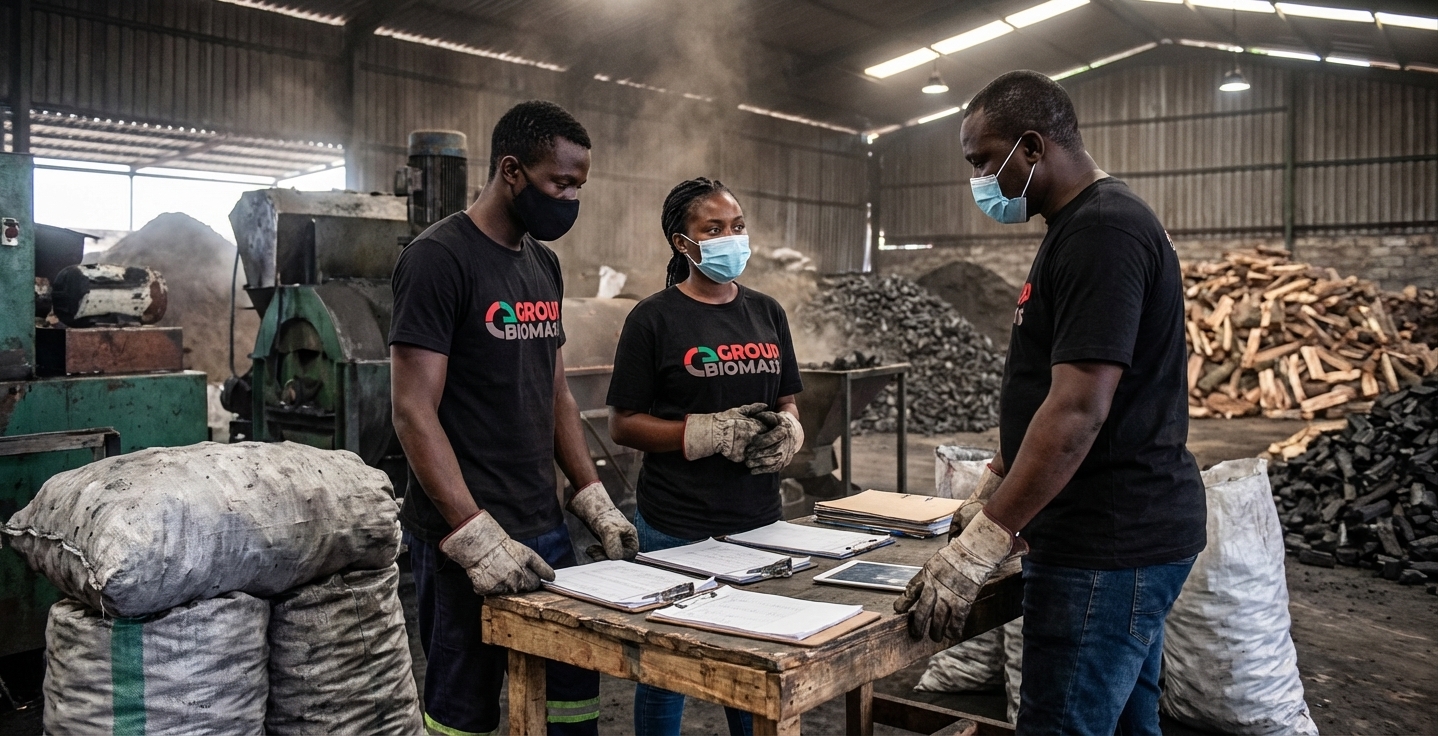
Deep within the country, a substantial site stands as a representation to the rising demand for biomass. This industrial complex, reportedly the region’s biggest wood plant , is drawing attention for both its output and the potential environmental consequences . While providing jobs for nearby communities, the operation’s processes are sparking concerns about responsible forest harvesting and the future health of the nation's forests .
Hardwood Briquet Carbon Export Boom: Cameroon’s Rising Nation
Cameroon is witnessing a remarkable surge in hardwood lump charcoal exports, positioning itself as a key player in the global sector. Thanks to expanding demand from European United States and Asian regions, the nation’s output of this sustainable fuel is steadily expanding, offering promising prospects for Cameroonian communities and supporting the national prosperity. The emphasis on responsibly harvested timber granulated charcoal is proving to be a major element in gaining global customers.
Inside Cameroon’s Hardwood Lump Charcoal Factory: Production & Sustainability
Stepping within a typical Cameroon timber lump carbon factory shows a rather straightforward process of creation. Untreated hardwood, often collected from managed woodlands, are carefully felled and carried to a kiln. Within this area, the lumber is slowly burned with minimal oxygen, a procedure that changes it as piece charcoal. Although the established methods employed can be difficult, increasingly new factories are integrating better techniques and pursuing methods to improve both efficiency and nature sustainability. This covers investing in green energy and applying strict scrap control plans.
Cameroon's Wood Charcoal Trade : A Key Player in Global Shipments
Despite mounting environmental concerns , Cameroon’s lump charcoal trade remains a surprising and vital role in the global sales landscape. The manufacture of charcoal from forest biomass is a essential foundation of income for many of local communities, particularly in underserved regions . This practice generates a substantial volume of lump charcoal shipped for foreign markets , often fueling cooking needs in other nations , though this reliance creates challenges relating to woodland depletion and responsible tree protection.
Le Choix Entre Charbon de Bois Lump de Bois et Des Briquettes : Une Perspective Camerounaise
Au le Cameroun , la sélection face à le combustible de bois dur massif et des briquettes soulève une question . Habituellement, le charbon de bois dur a été utilisé pour son arôme authentique et son qualité à créer une chaleur forte, parfaite afin de les grillades locales . Cependant, , des combustibles, plus pratiques à trouver et plus abordables, attirent à attention, notamment auprès les communautés modernes.
Sustainable Charcoal Creation : The Future of Cameroon's Timber Sector
The conventional method of charcoal creation in Cameroon presents a serious challenge to its valuable hardwood woodlands . However, emerging sustainable techniques offer a promising path forward. These feature technologies like African hardwood lump charcoal wood waste conversion and kiln-less earth kilns , which lessen deforestation, lower emissions, and offer economic opportunities for local populations . Embracing these sustainable alternatives is crucial to protecting Cameroon's natural heritage and securing the long-term future of its hardwood business while tackling climate change .
Report this page